
 Suomi
Suomi Eesti keel
 Svenska
 Latviešu valoda
 Lietuvių kalba
 Dansk
Dansk Norsk
NorskKoneita.com – Our Story The roots of Koneita.com date back to 1979, when Heikki Kulju founded the business as a sole...

shopping_cart
Cart
(0)
Latest posts
-
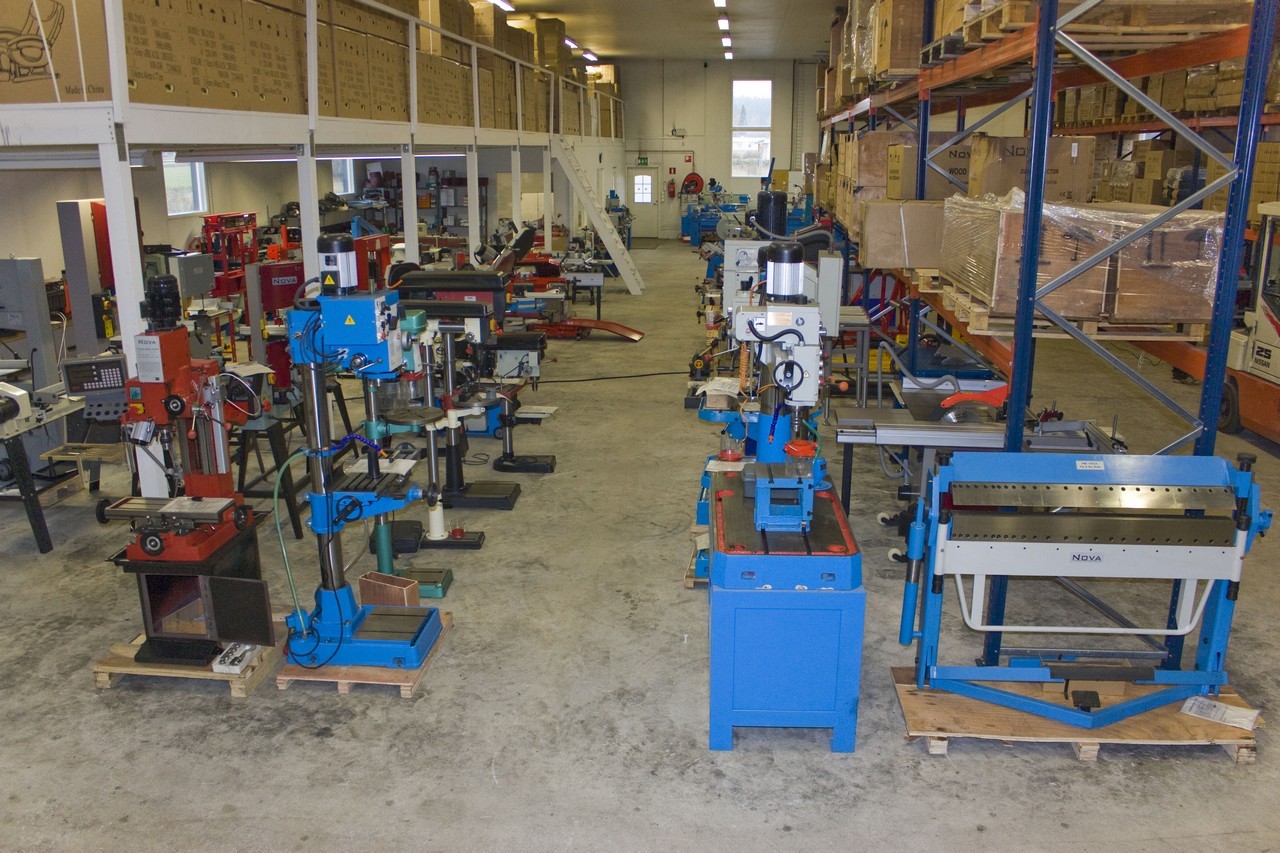 Koneita.com – Our StoryRead more
 -
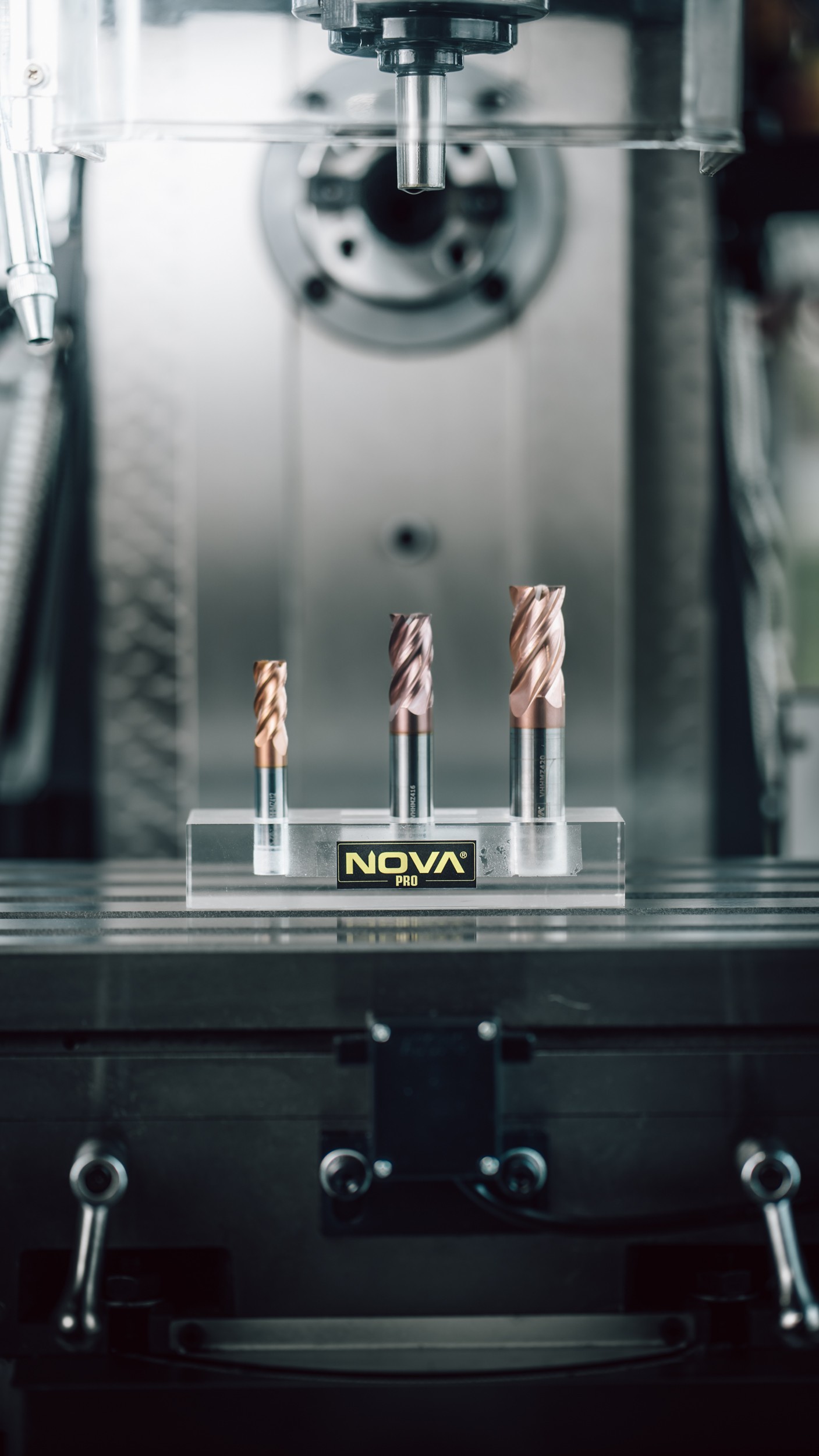 Selection of Cutting Tools in Metalworking – Key Factors and Practical GuidelinesRead more
In metalworking, the correct selection of cutting tools is one of the most significant factors affecting production...
-
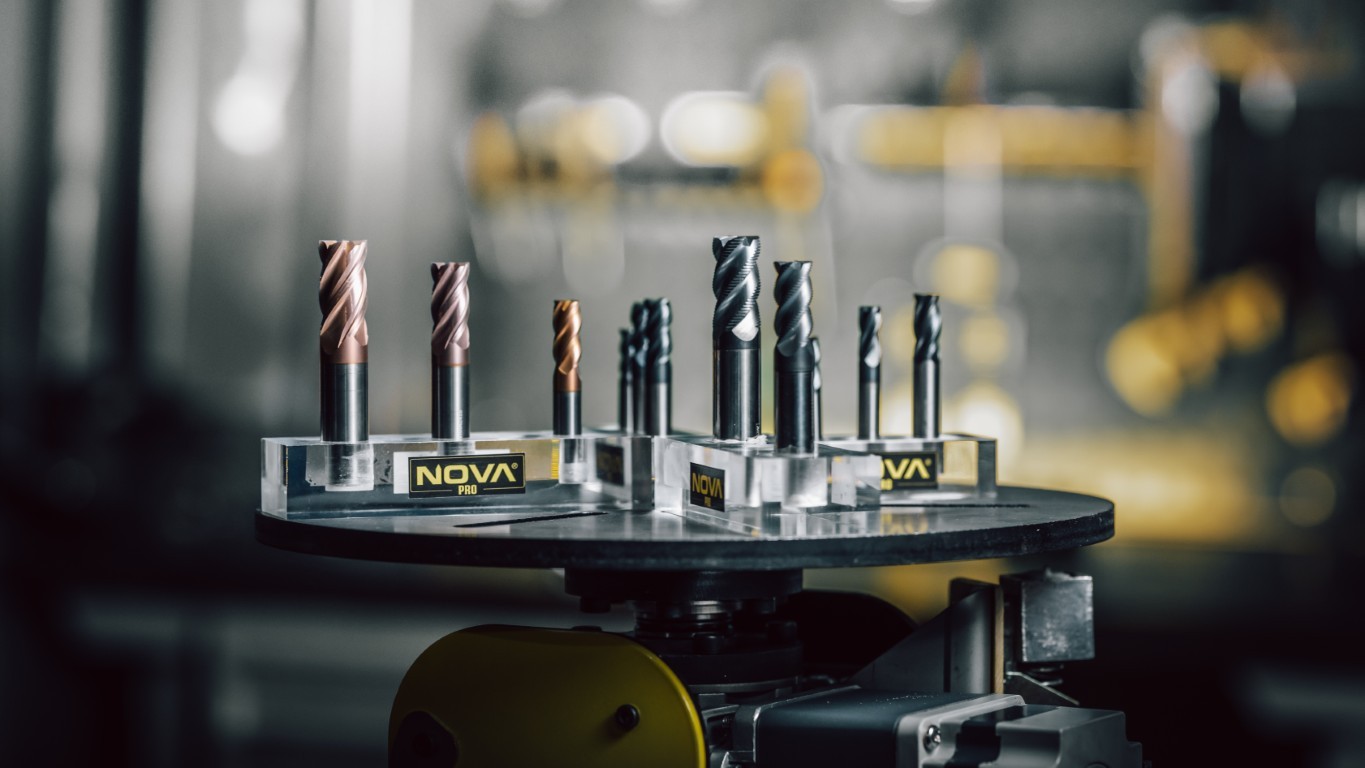 Koneita.com – Lastuavien työkalujen tehokas ja monipuolinen valikoimaRead more
Metallintyöstö on ala, jossa työkalujen laatu näkyy suoraan lopputuloksessa. Olipa kyse sorvauksesta,...
-
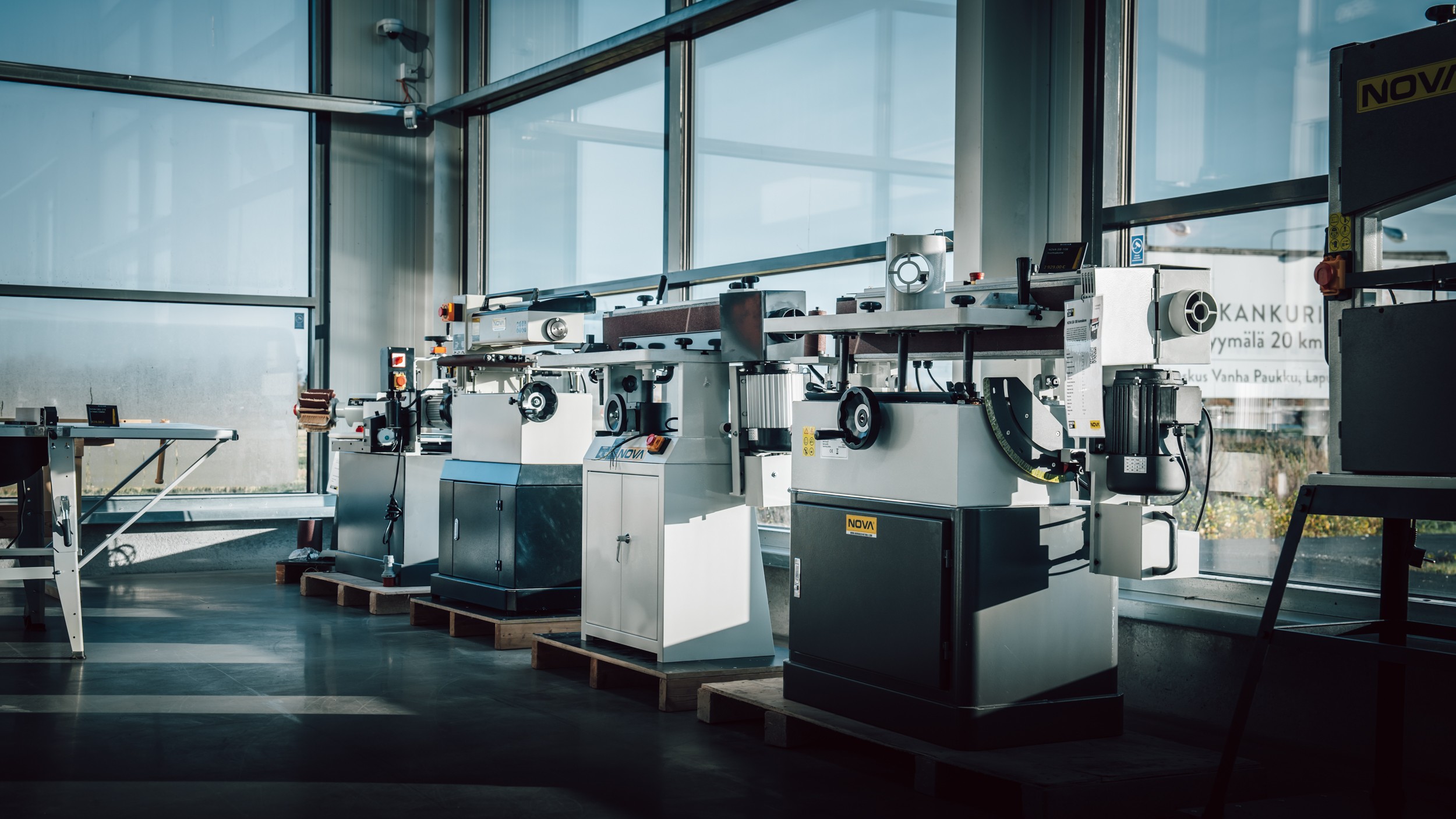 Woodworking Machines – How to Choose the Right Machines for Woodworking?Read more
The choice of woodworking machines directly affects work quality, precision and productivity. In this article, we...
-
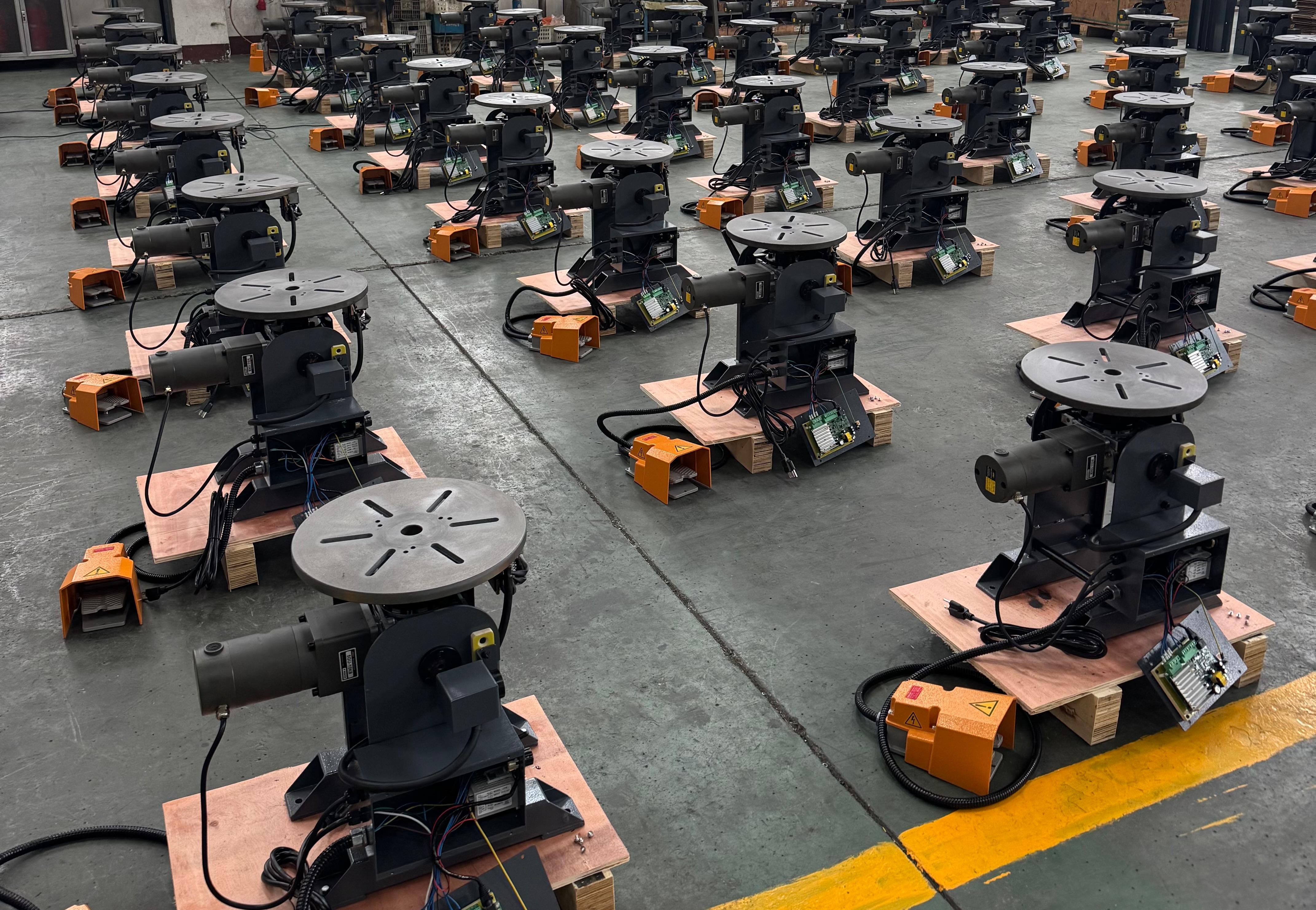 NOVA laatuRead more
Why choose NOVA – more than just a machine Purchasing woodworking and metalworking machinery is not just a question...
-
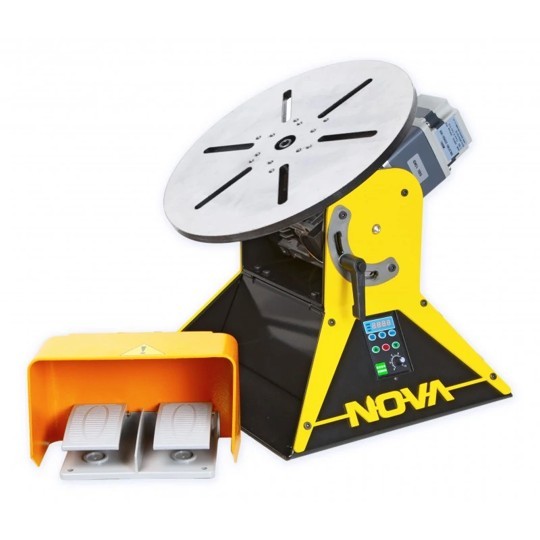 NOVA WP360 – Developed and Manufactured in FinlandRead more
NOVA WP360 is the result of careful product development carried out in Finland, where the focus has been on robust...
-
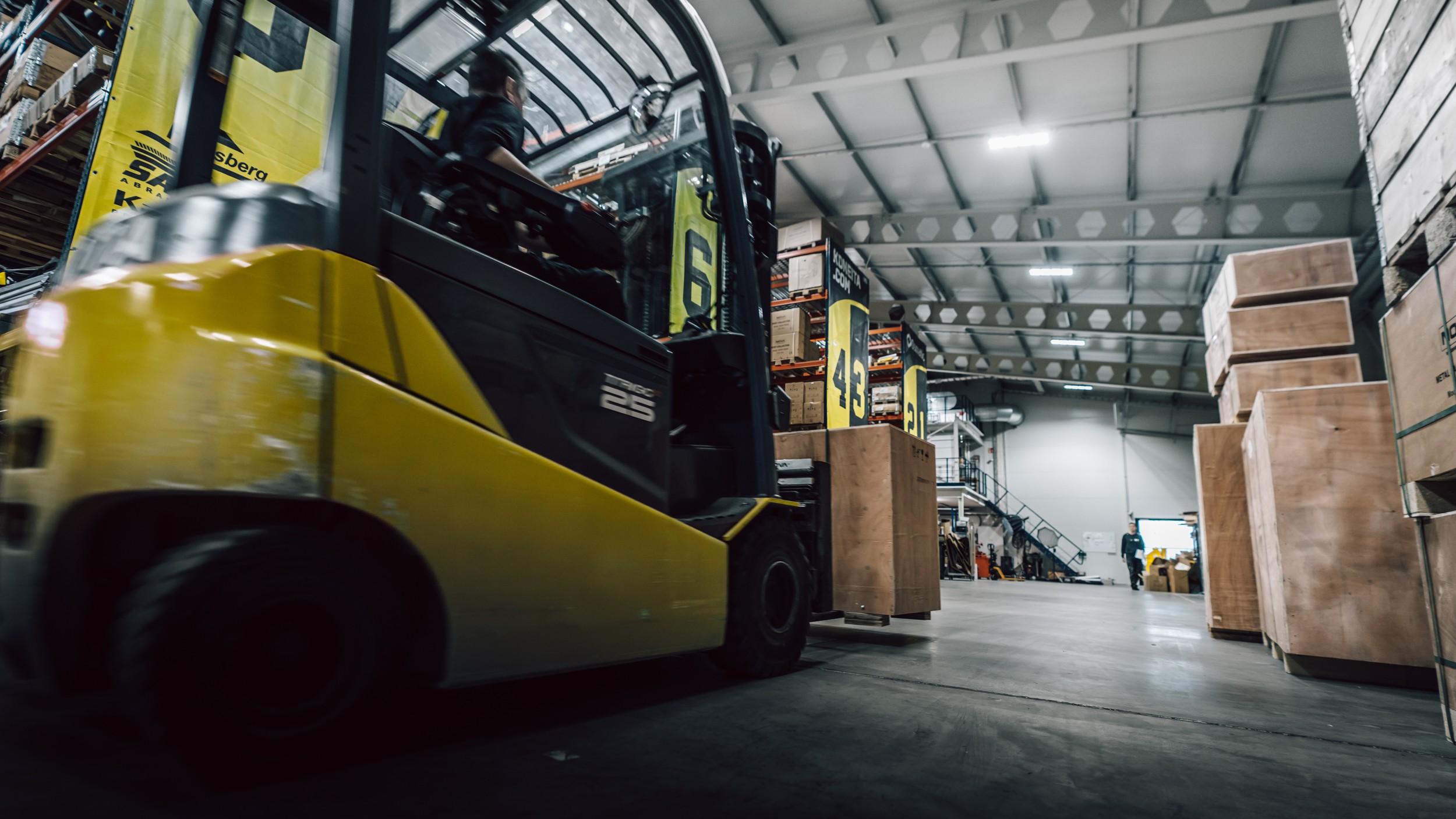 Over 300,000 Orders Delivered to More Than 20 CountriesRead more
Over 300,000 Orders Delivered to More Than 20 Countries Koneita.com has grown over the years into a significant...
-
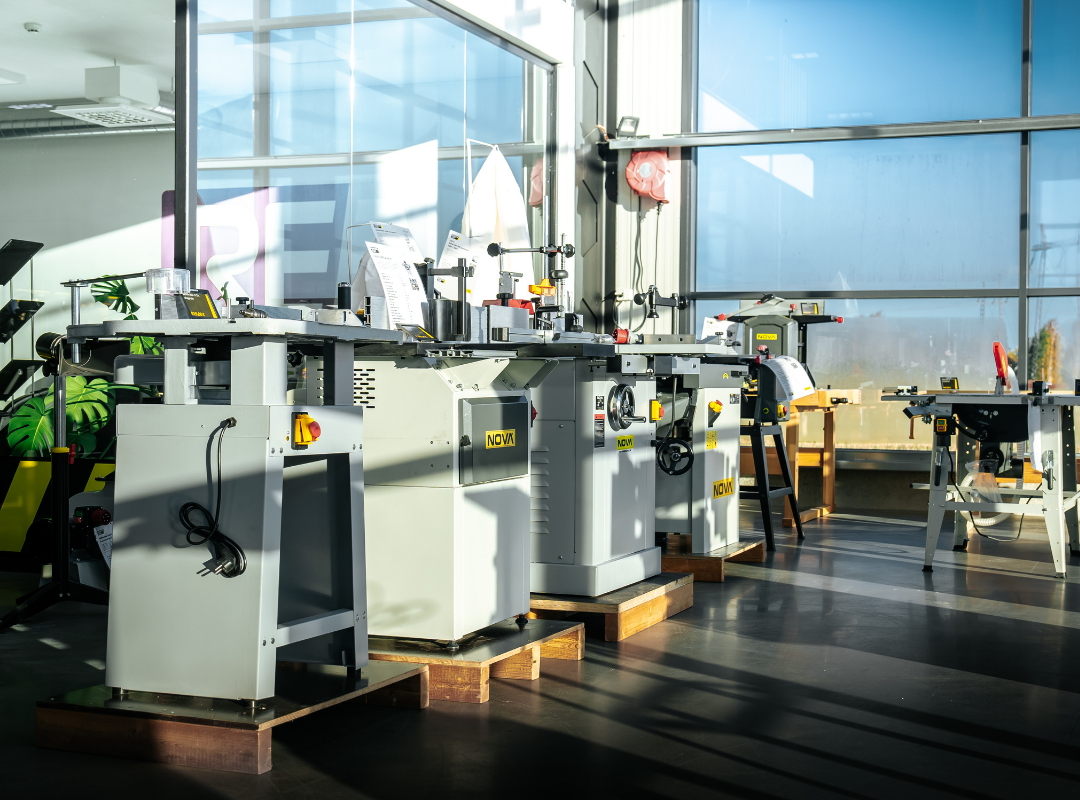 Which Wood Spindle Shaper Is Right for Your Workshop? Four NOVA Models ComparedRead more
Which wood spindle shaper is right for your workshop? Four NOVA models compared A wood spindle shaper is a key...
-
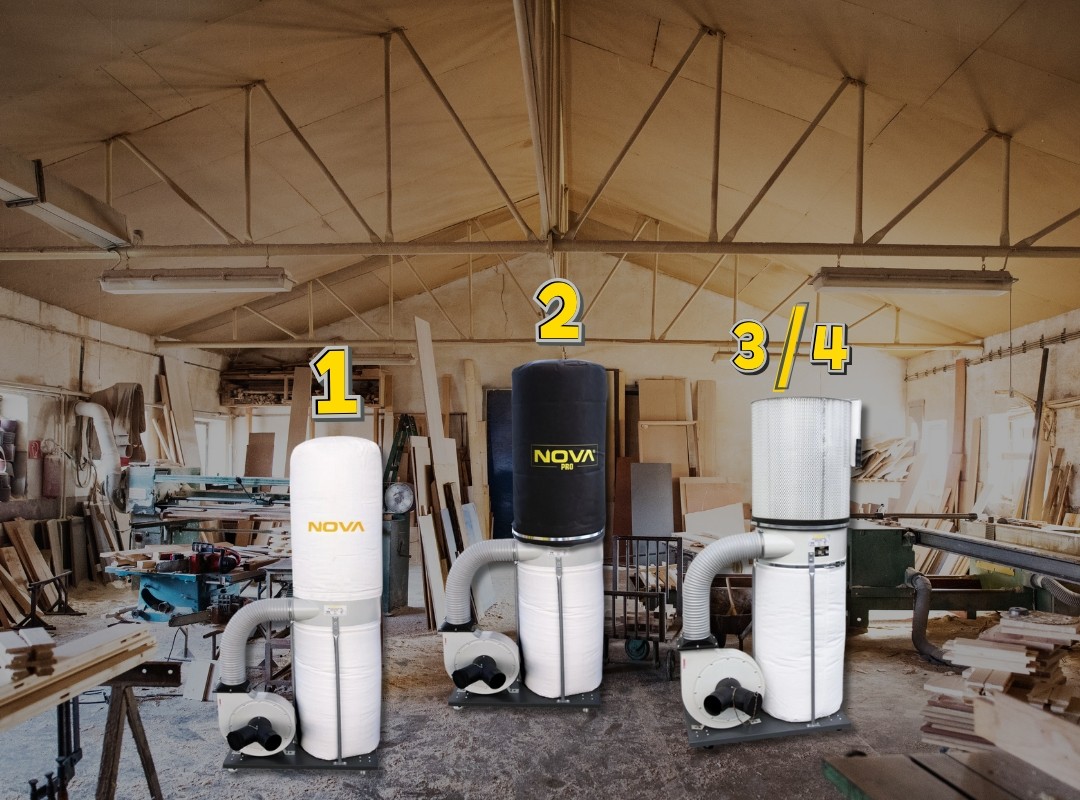 Which Dust Filter Fits Your Workshop? A Comparison of Four SolutionsRead more
Which Dust Filter Fits Your Workshop? A Comparison of Four Solutions Dust generated in woodworking is more than just...
-
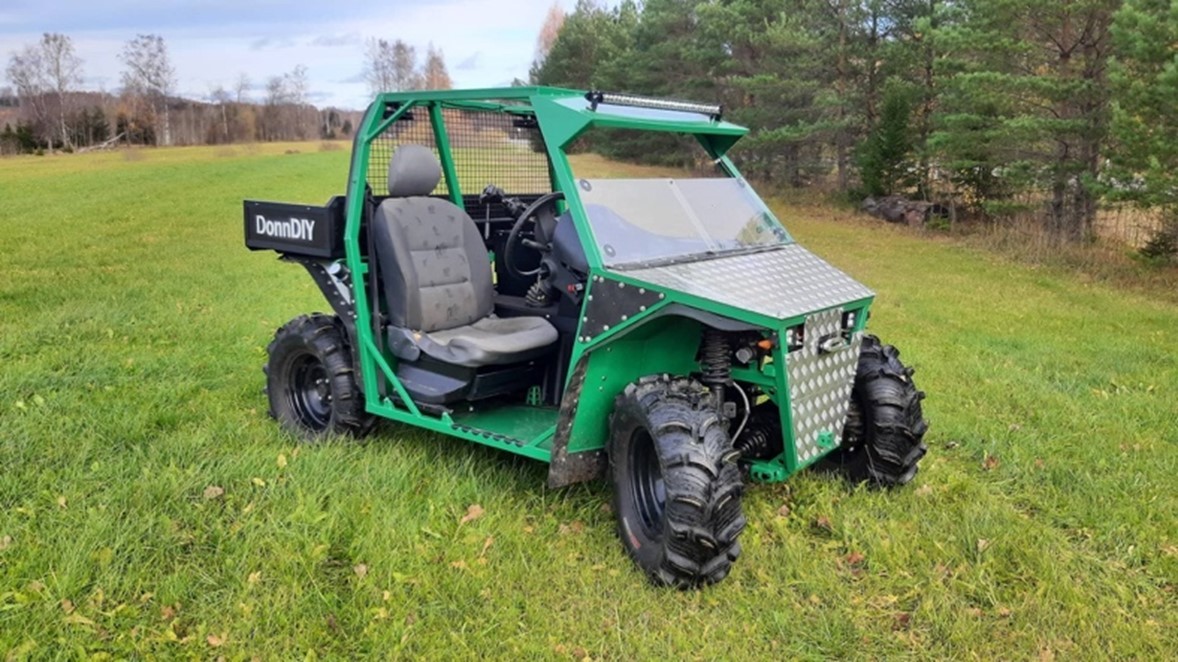 DIY Donn, Created Near Otepää, Videos Are a Favorite of MillionsRead more
DIY Donn, or Donald Dorch, is a unique Estonian YouTuber whose days are spent tinkering with various machines in a...
Blog categories
Search in blog
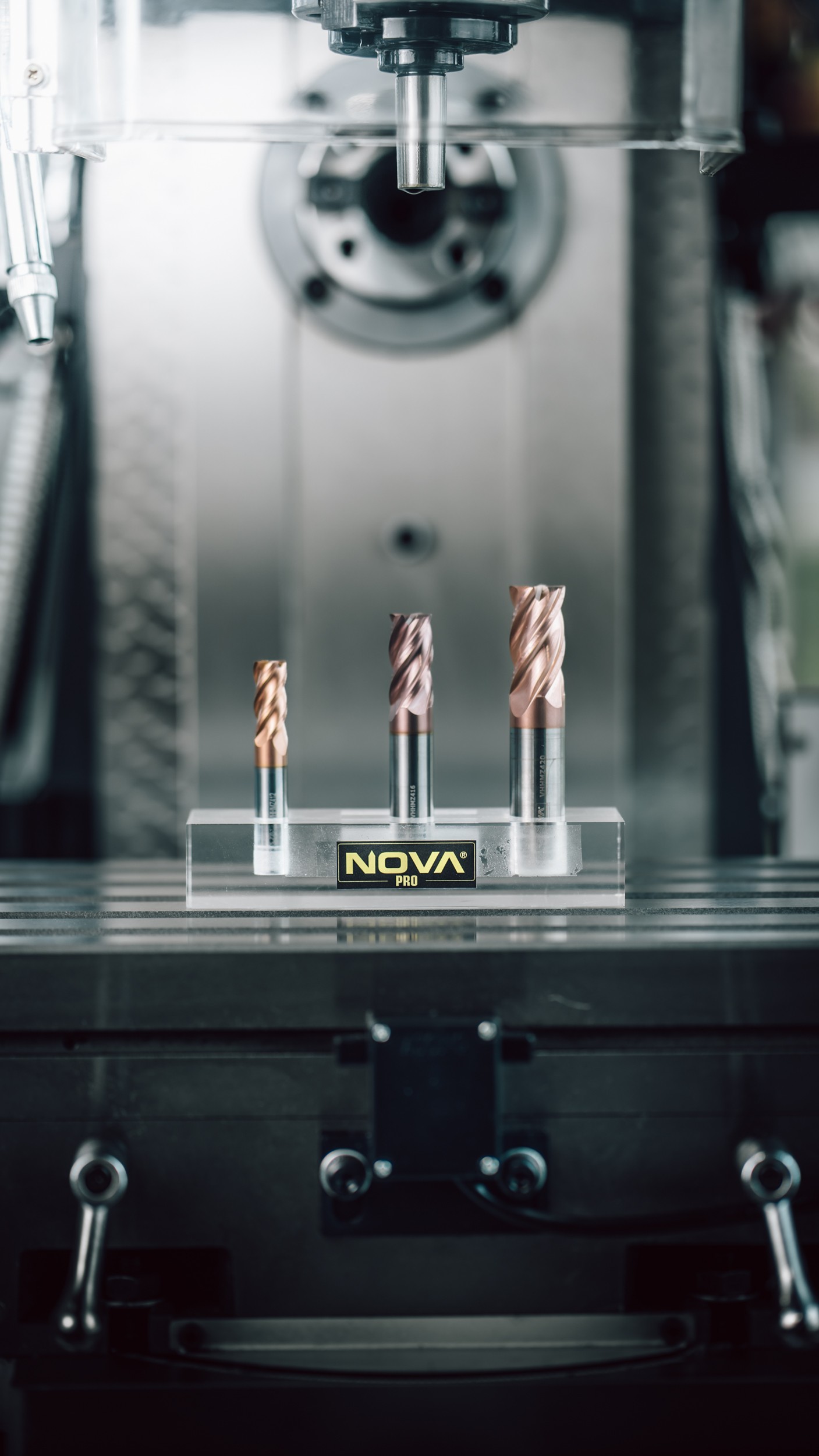
Selection of Cutting Tools in Metalworking – Key Factors and Practical Guidelines
In metalworking, the correct selection of cutting tools is one of the most significant factors affecting production efficiency, quality, and costs. Tool selection is influenced by several factors, such as the material being machined, the method used, and production requirements. This article reviews the key selection criteria, the impact of material, and practical guidelines for tool procurement and management.
What factors influence tool selection?
Choosing a cutting tool is not a single decision but a combination of multiple variables:
-
Workpiece material Different materials behave differently during machining. For example, steels, aluminum, and stainless steels require different tool materials and coatings.
-
Machining method Sorvaus (turning), milling, drilling, and threading place different demands on tool geometry, strength, and chip formation.
-
Cutting speed and feed rate Production speed directly affects tool wear and durability. Higher speeds require more robust and often coated tools.
-
Machine performance The rigidity, power, and accuracy of the machine determine which tools can be used effectively.
-
Desired surface finish and tolerances Finishing operations require different tools than rough machining.
The impact of the workpiece material
Material is often the single most important factor in tool selection:
-
Aluminum: Soft and easy to machine → requires a sharp cutting edge and efficient chip evacuation.
-
Carbon steel: Versatile material → standard tools often work well.
-
Stainless steel: Tough and heat-generating → requires wear-resistant coatings and proper geometry.
-
Hard metals and superalloys: Highly abrasive → require specialized tools such as carbide or ceramic inserts.
Selecting the wrong tool for a material quickly leads to tool wear, poor surface quality, and even part rejection.
The effect of machining method on tool selection
Different machining methods require different tool properties:
-
Turning: Emphasizes tool durability and chip control.
-
Milling: Requires a good balance between impact resistance and sharpness.
-
Drilling: Chip evacuation and cooling are critical.
-
Threading: Precise geometry and dimensional accuracy are essential.
Additionally, continuous and interrupted cutting affect tool load in different ways.
Benefits of choosing the right tool
When the tool is selected correctly, significant advantages can be achieved:
-
Longer tool life
-
Better surface quality
-
Fewer downtimes and tool changes
-
Higher productivity
-
Lower overall costs
Although a higher-quality tool may have a higher purchase price, it pays for itself through improved efficiency.
Guidelines for tool procurement
When purchasing tools, consider the following:
-
Define requirements precisely Analyze materials, machining methods, and production volumes before purchasing.
-
Utilize manufacturer recommendations Tool suppliers often provide application-specific guidance.
-
Test before full implementation Pilot tests help ensure suitability.
-
Focus on quality, not just price The cheapest option is rarely the most cost-effective in the long run.
Tool management and maintenance
Good tool management is just as important as correct selection:
-
Monitor tool wear → anticipate replacements
-
Use standardized tools → simplifies inventory management
-
Optimize inventory levels → avoid excess or shortages
-
Document cutting parameters → supports process development
-
Train personnel → proper use extends tool life
Digital tool management systems can improve visibility and reduce waste.
Summary
Selecting cutting tools in metalworking is a multi-factor process where material properties, machining methods, and production goals are closely interconnected. The right choice not only improves the quality of the final product but also enhances productivity and reduces costs.
With careful planning, testing, and tool management, significant competitive advantages can be achieved in a modern machine shop environment.
Extensive experience in cutting tools
Koneita.com has decades of strong expertise in cutting tools. Their professional staff is happy to assist in selecting the right tool for each application. The selection includes tools for threading, turning, drilling, milling, sawing, and more. They collaborate with several well-known manufacturers and suppliers. Their own NOVA PRO tool range further complements the selection.
Posted in:
Default category
Related posts
-
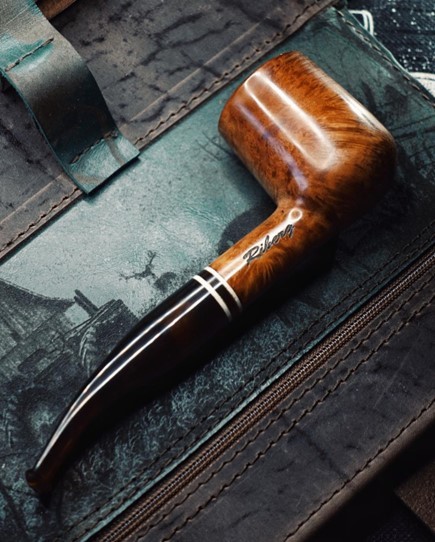 NOVA machines are used to craft globally esteemed Raimo Riberg Pipes
We spoke with Estonia's sole pipe maker, Raimo Riberg, whose beautiful pipes are crafted on our mini metal lathe....Read more
NOVA machines are used to craft globally esteemed Raimo Riberg Pipes
We spoke with Estonia's sole pipe maker, Raimo Riberg, whose beautiful pipes are crafted on our mini metal lathe....Read more -
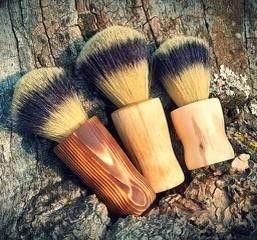 Beautiful Shaving Accessories Made on the NOVA Wood Lathe
The story of these shaving brushes' creation is a great example of how finding a niche and using the right equipment...Read more
Beautiful Shaving Accessories Made on the NOVA Wood Lathe
The story of these shaving brushes' creation is a great example of how finding a niche and using the right equipment...Read more -
 Playhouse built with NOVA machines rivals villas
A loving, skilled grandfather crafted a dream playhouse consisting of more than 800 parts for his dear granddaughter....Read more
Playhouse built with NOVA machines rivals villas
A loving, skilled grandfather crafted a dream playhouse consisting of more than 800 parts for his dear granddaughter....Read more -
DIY Donn, Created Near Otepää, Videos Are a Favorite of Millions
DIY Donn, or Donald Dorch, is a unique Estonian YouTuber whose days are spent tinkering with various machines in a...Read more
-
Which Dust Filter Fits Your Workshop? A Comparison of Four Solutions
Which Dust Filter Fits Your Workshop? A Comparison of Four Solutions Dust generated in woodworking is more than just...Read more
Leave a comment