
 English
 Suomi
Suomi Eesti keel
 Svenska
 Latviešu valoda
 Lietuvių kalba
 Norsk
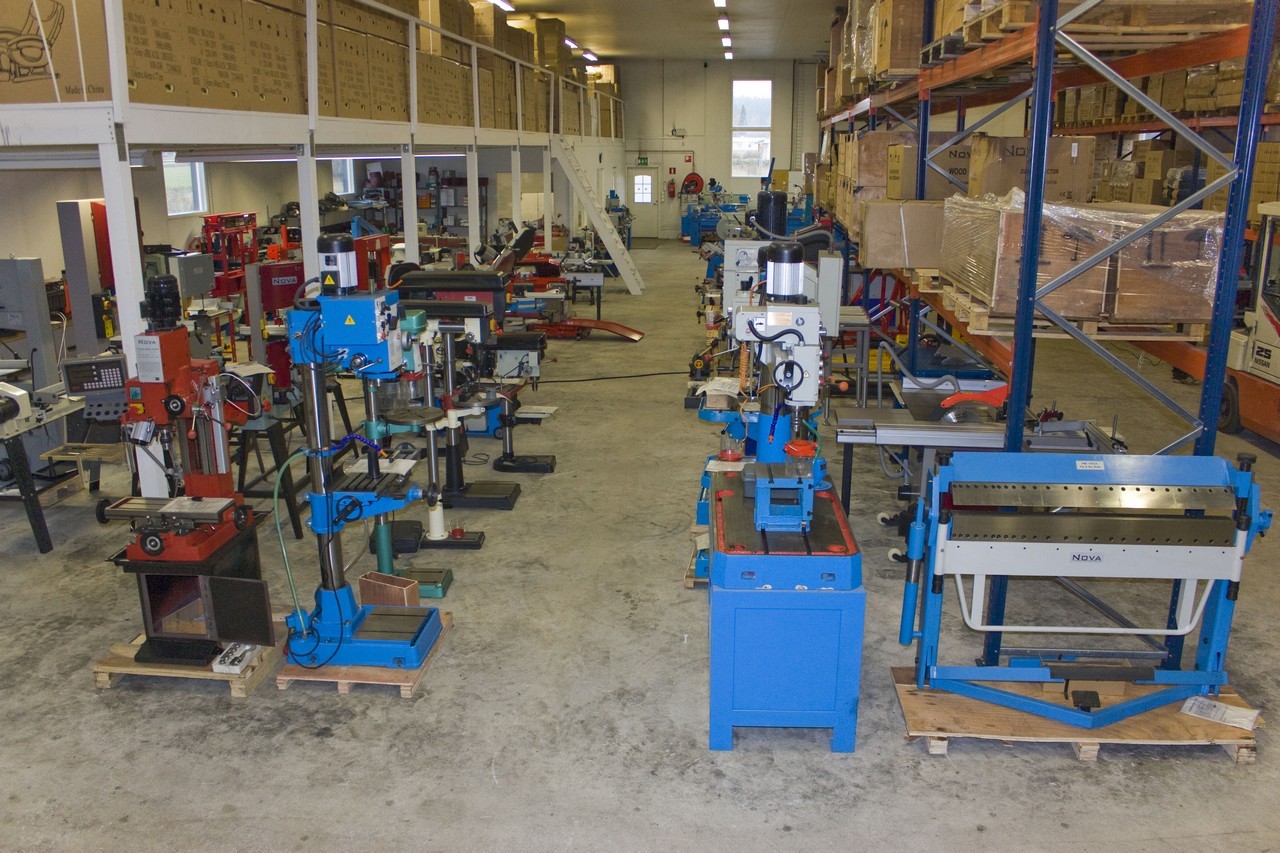
NorskKoneita.com – historie Koneita.coms rødder går tilbage til 1979, hvor Heikki Kulju begyndte at importere tekniske...

shopping_cart
Indkøbskurv
(0)
Latest posts
-
 Koneita.com – historieLue lisää
 -
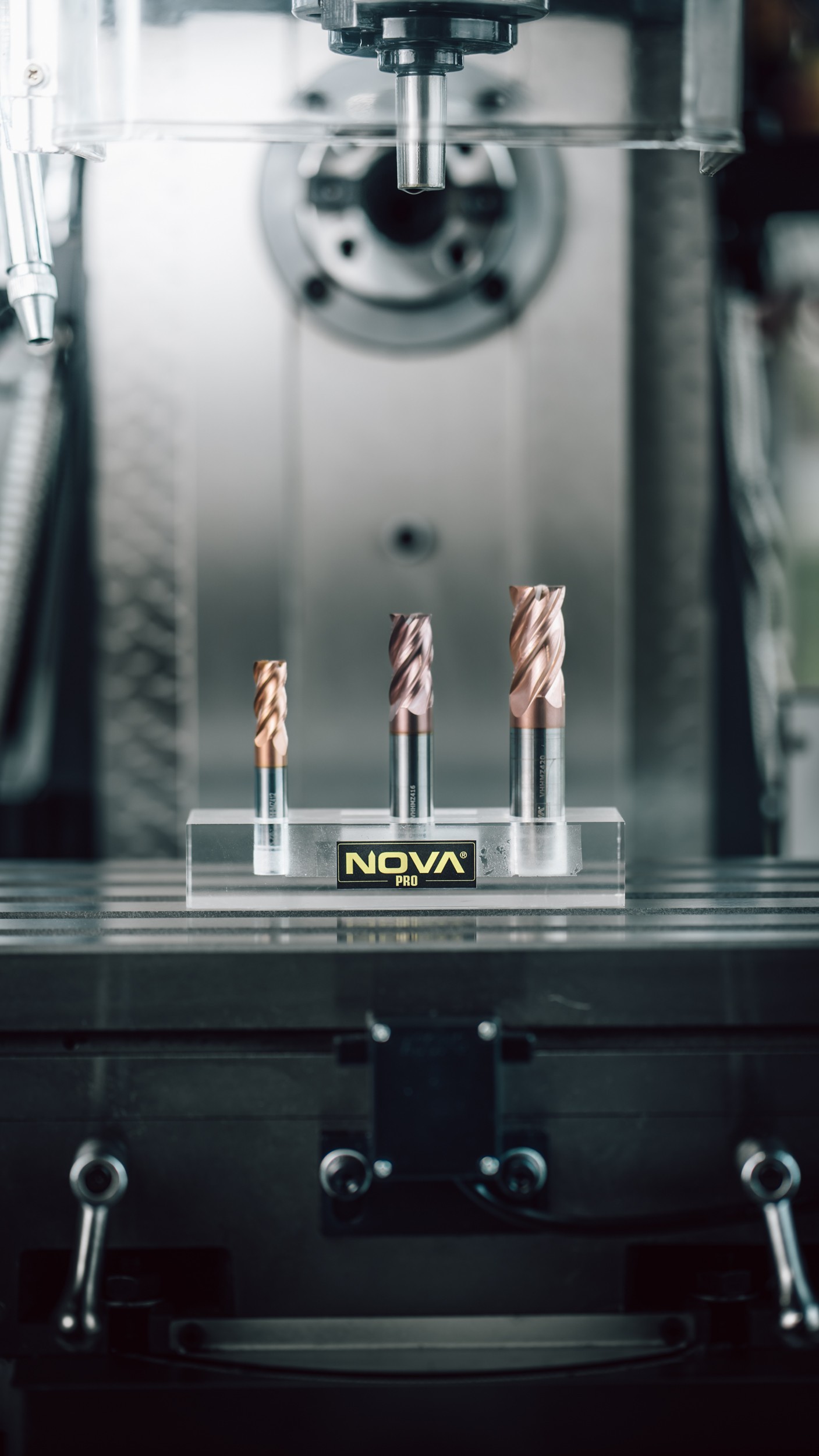 Valg af skærende værktøjer til metalbearbejdning – centrale faktorer og praktiske retningslinjerLue lisää
Ved metalbearbejdning er det rette valg af skærende værktøj en af de mest afgørende faktorer for produktionens...
-
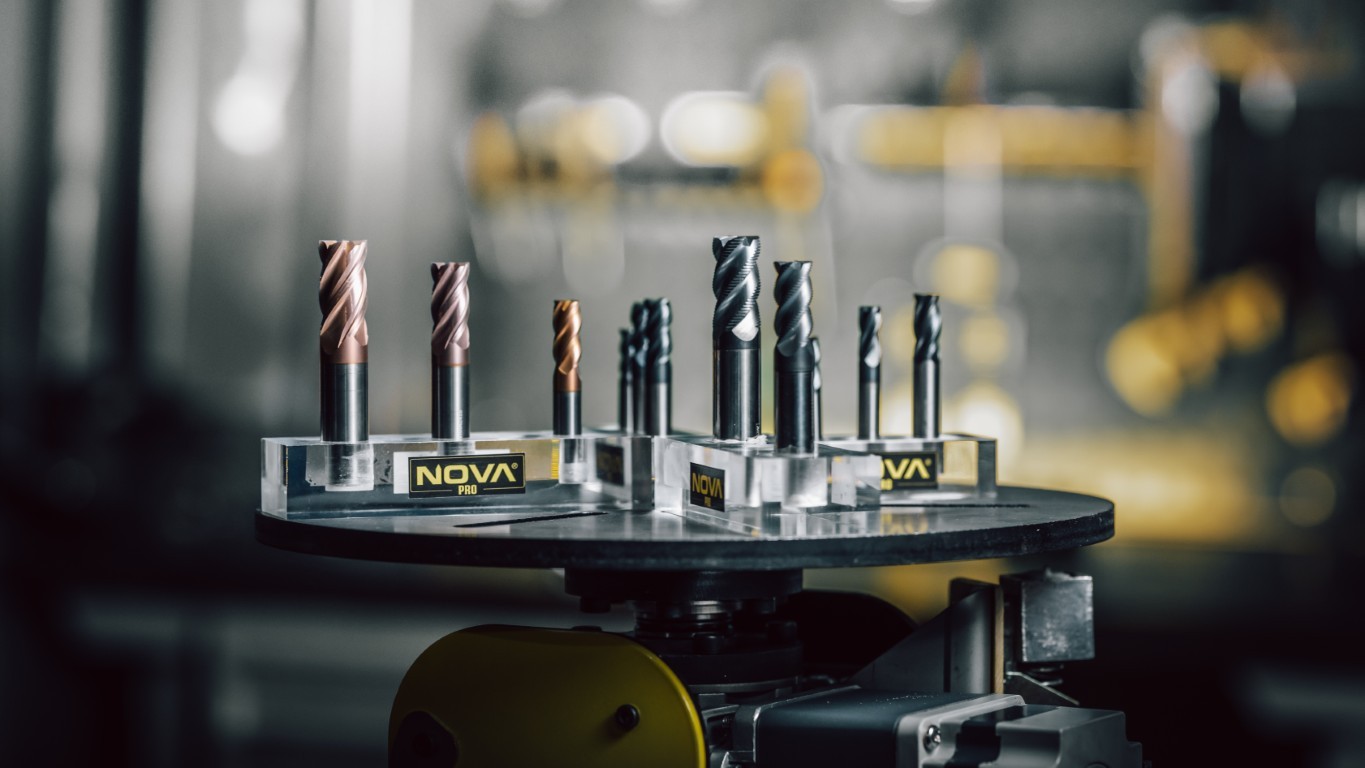 Koneita.com – Et effektivt og alsidigt sortiment af skærende værktøjLue lisää
Metalbearbejdning er et område, hvor værktøjernes kvalitet direkte afspejles i det endelige resultat. Uanset om det...
-
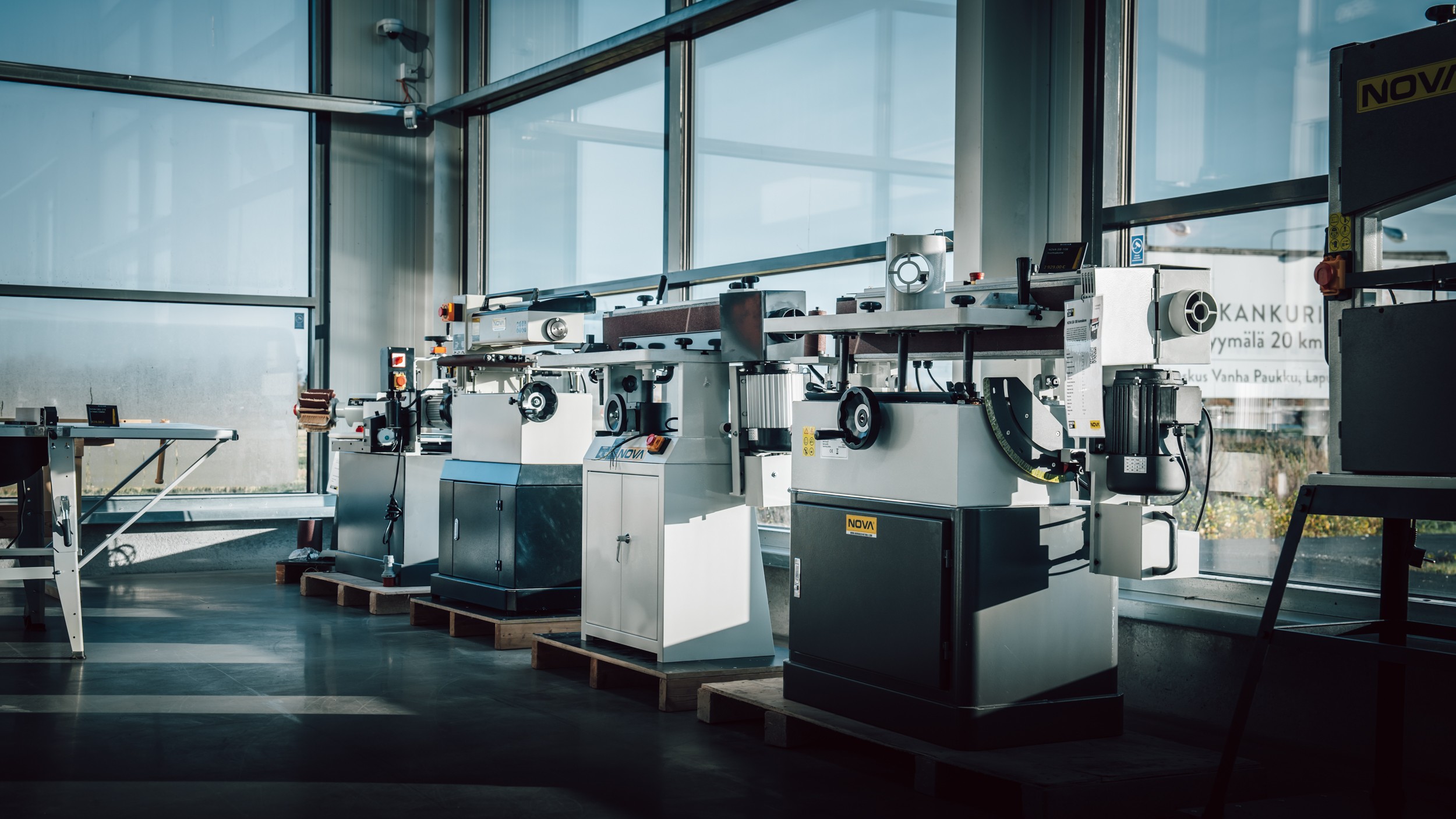 Træbearbejdningsmaskiner – Hvordan vælger man de rigtige maskiner til træbearbejdning?Lue lisää
Valget af træbearbejdningsmaskiner har direkte indflydelse på arbejdskvaliteten, præcisionen og produktiviteten. I...
-
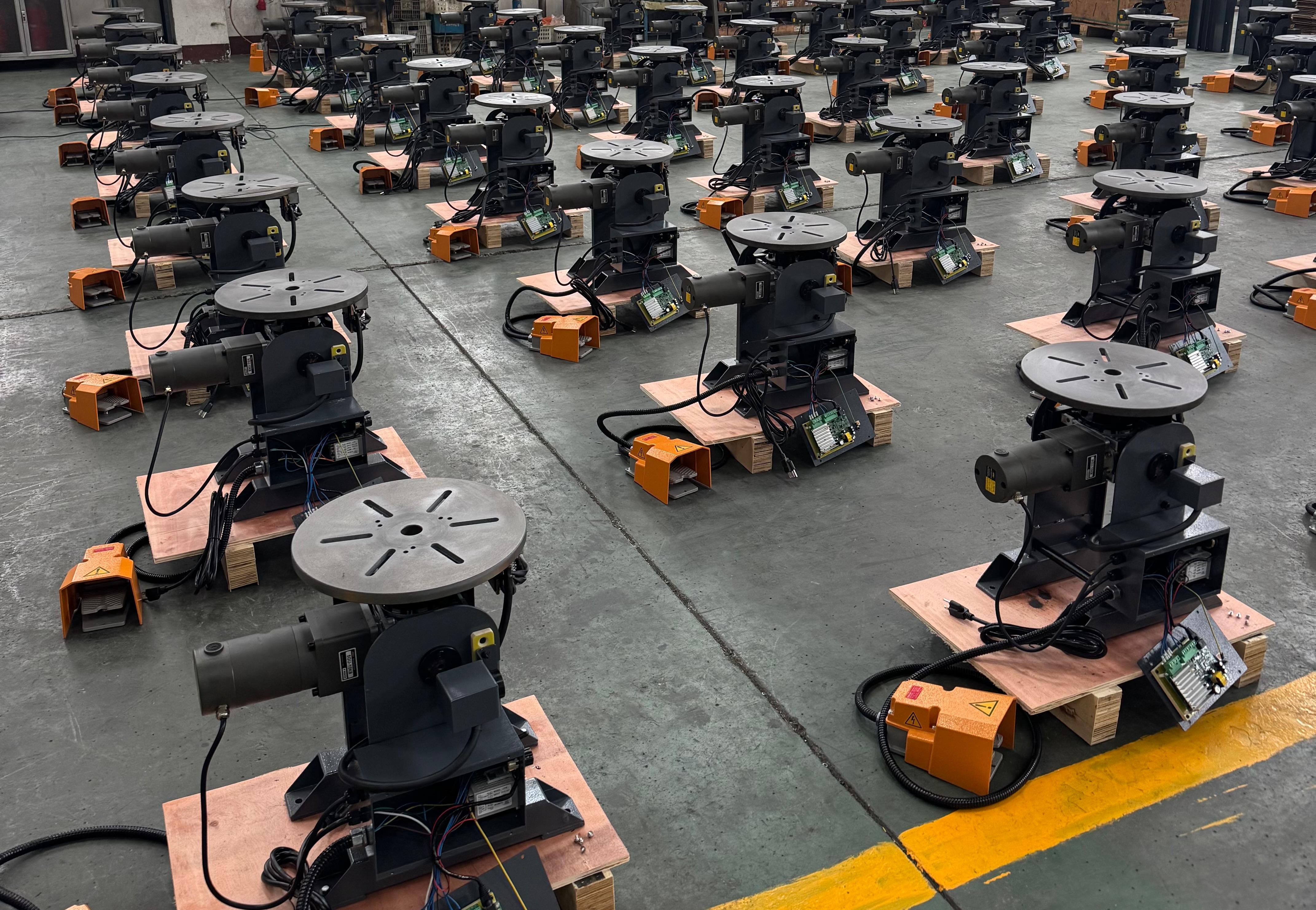 NOVA kvalitetLue lisää
Hvorfor vælge NOVA – mere end bare en maskine At investere i træ- og metalbearbejdningsmaskiner handler ikke kun om...
-
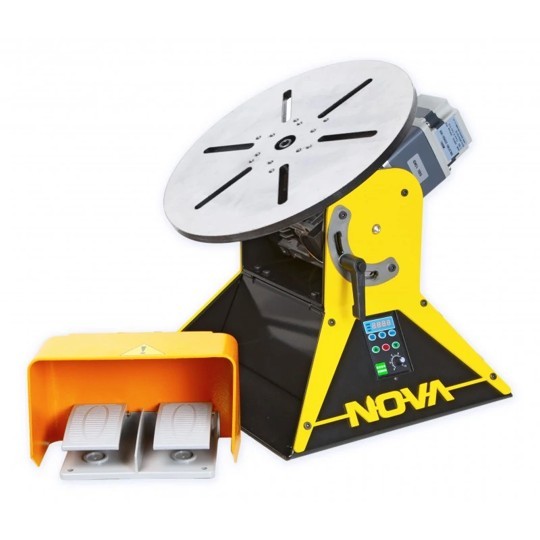 NOVA WP360 – kompakt svejseroterer, udviklet og fremstillet i FinlandLue lisää
NOVA WP360 er en kompakt svejseroterer, der kombinerer stiv konstruktion, præcision og lang levetid. Fremstillet i...
-
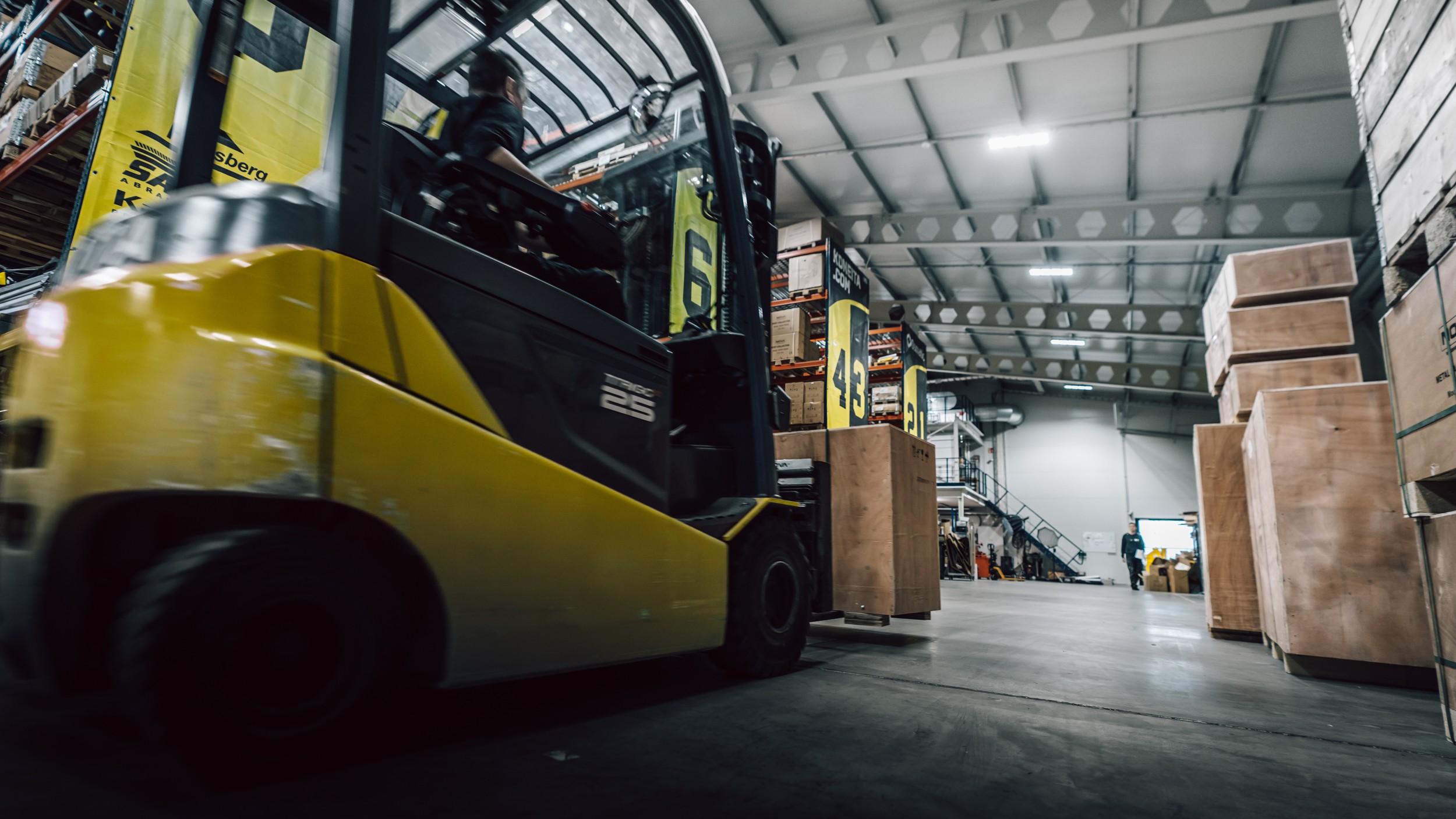 Over 300.000 leverede ordrer til mere end 20 landeLue lisää
Over 300.000 leverede ordrer til mere end 20 landeKoneita.com er gennem årene vokset til en betydelig netbutik for...
-
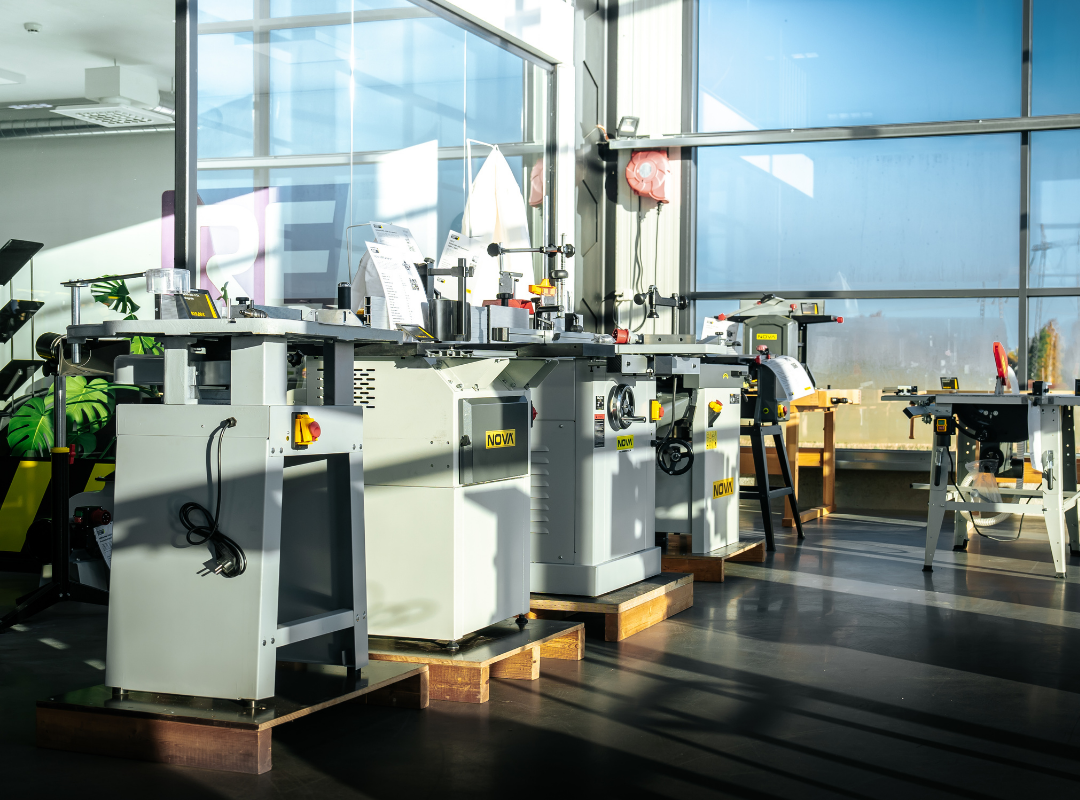 Which Wood Spindle Shaper Is Right for Your Workshop? Four NOVA Models ComparedLue lisää
Which wood spindle shaper is right for your workshop? Four NOVA models compared A wood spindle shaper is a key...
-
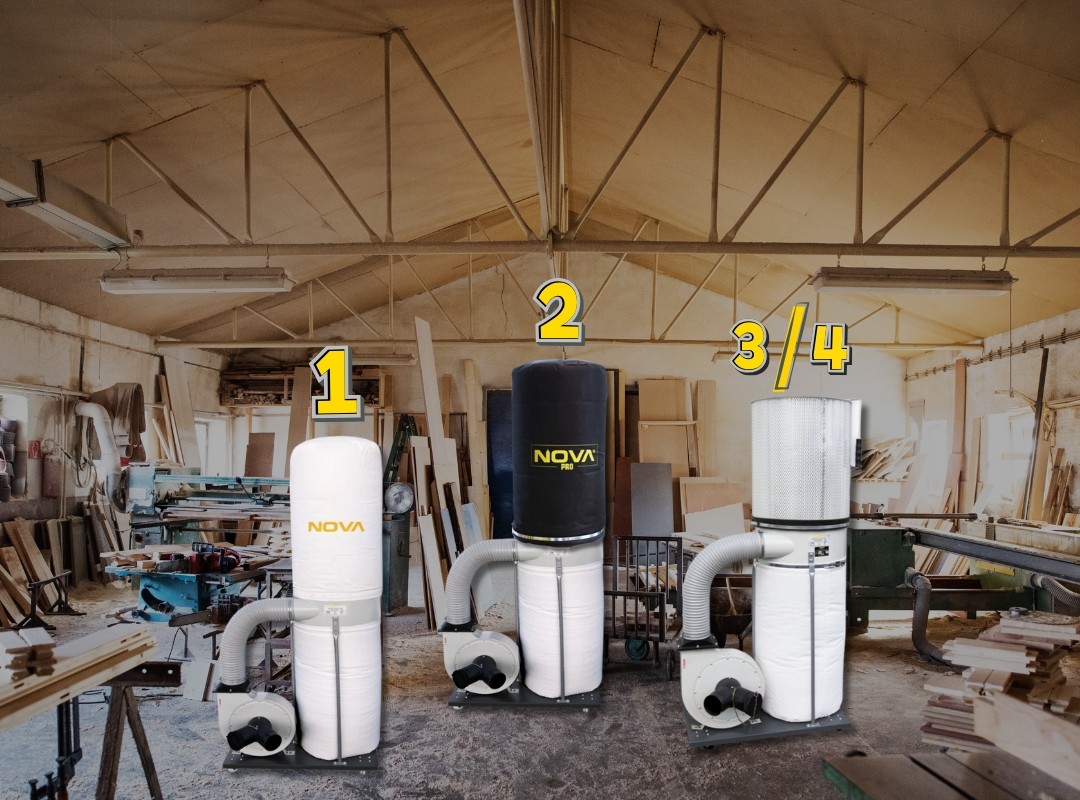 Which Dust Filter Fits Your Workshop? A Comparison of Four SolutionsLue lisää
Which Dust Filter Fits Your Workshop? A Comparison of Four Solutions Dust generated in woodworking is more than just...
-
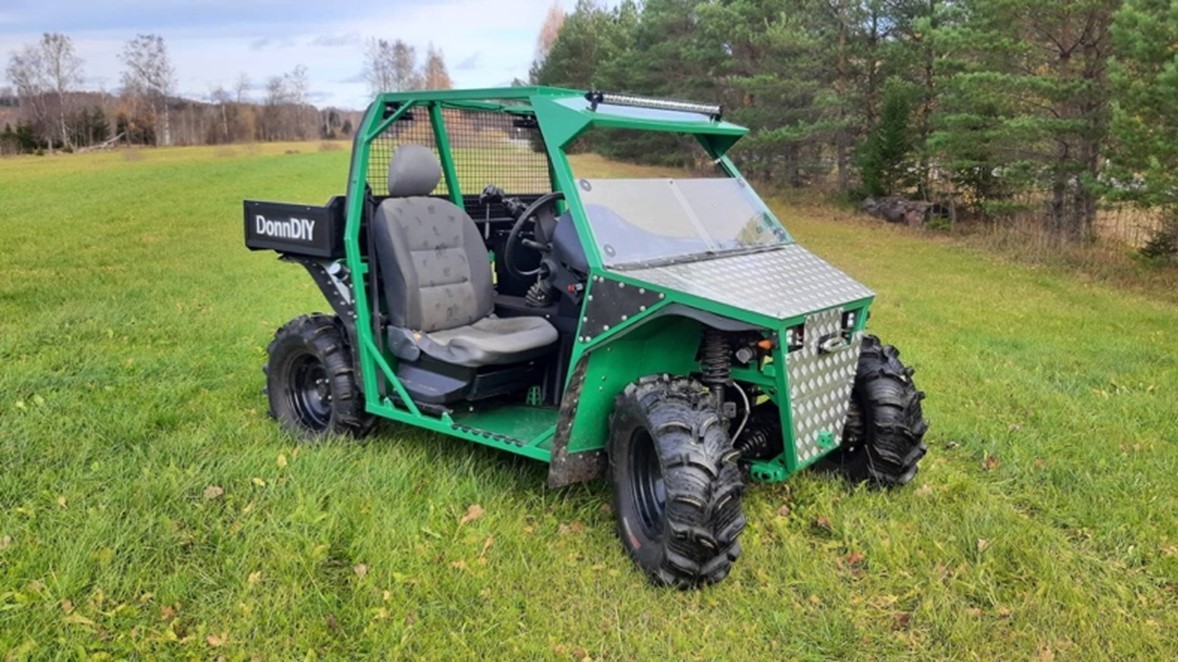 DYI Donnin Otepään kupeessa luomat videot ovat miljoonien suosikkejaLue lisää
DYI Donn eli Donald Dorch on ainutlaatuinen virolainen tubettaja, jonka päivät kuluvat etelävirolaisessa työpajassa...
Blog categories
Search in blog
Archived posts
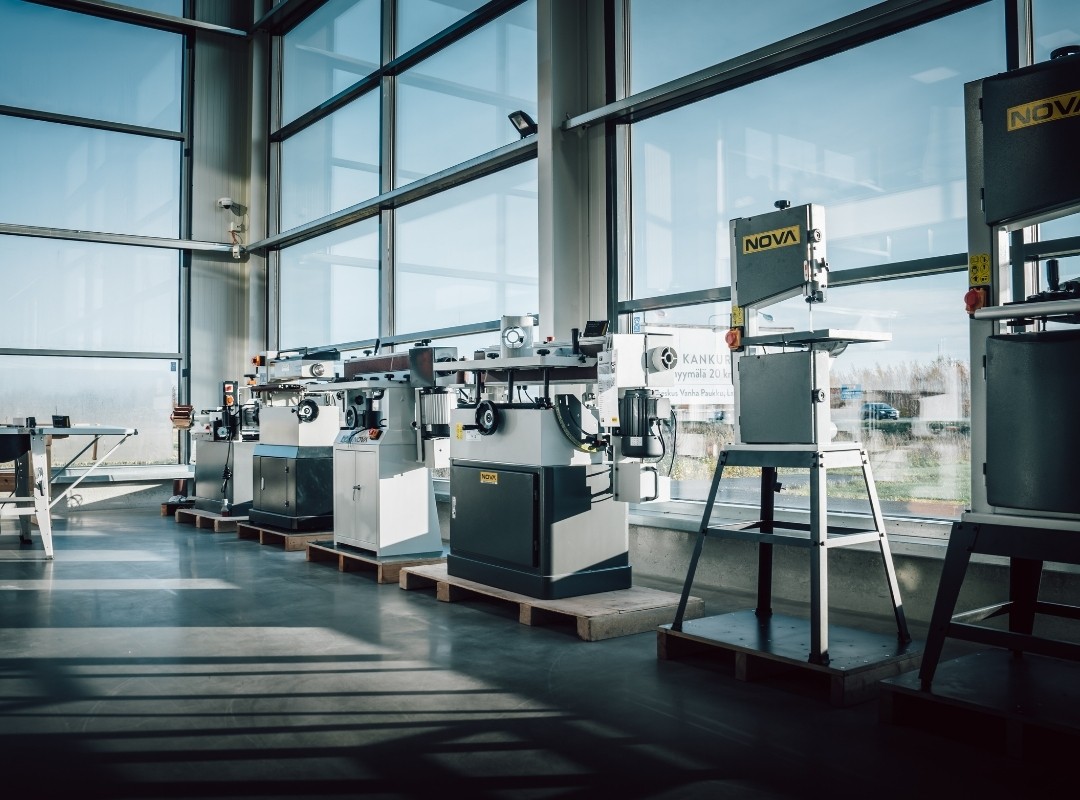
Træbearbejdningsmaskiner – Hvordan vælger man de rigtige maskiner til træbearbejdning?
Træbearbejdningsmaskiner – Hvordan vælger man de rigtige maskiner, og hvad bruges de til?
Kvaliteten af træbearbejdningen afhænger i høj grad af valget af de rigtige maskiner og det rigtige udstyr. De forskellige faser i træbearbejdningen kræver forskellige maskiner – én maskine er beregnet til at rette materialet ud, en anden til præcist skæring og en tredje til efterbehandling.
Moderne træbearbejdningsværksteder bruger ofte flere forskellige maskiner i kombination, da hver maskine er beregnet til en bestemt opgave. Mindre værksteder og hobbybrugere kan have fordel af kombinationsmaskiner, mens professionel produktion som regel kræver separate specialmaskiner.
- Høvle og tykkelseshøvle
- Spindelfræsere til træbearbejdning
- Båndsave til træ
- Slibemaskiner til træ
- Trædrejebænke
- Støvopsamlere
- Stikbænke
- Kombinationsmaskiner
Forberedelsen af materialerne starter med lige og præcist tilskåret træ
Inden der fremstilles emner, skal træet være lige, have ensartet tykkelse og være præcist tilskåret. Til dette formål anvendes der oftest høvl- og tykkelseshøvle.
En høvl retter en overflade og en kant ud. Tykkelseshøvlen høvler derefter emnet til den ønskede tykkelse. Disse processer anvendes normalt sammen, da en tykkelseshøvl alene ikke kan rette skævt materiale ud.
Ved professionel brug er bordets stivhed, parallelitet, stabil fremføring, motorkraft og skærehovedets kvalitet særligt vigtige.
Båndsave er velegnede til skæring af buede emner og massivt træ
Båndsave til træ er velegnede til skæring af massivt træ, kurver, formede emner og tykkere materialer. Fordelen ved en båndsav er en smal skæresnit, mindre materialespild og muligheden for at skære former, der er vanskelige at fremstille med en almindelig sav.
En båndsav er normalt ikke den primære maskine til præcisionsskæring af pladematerialer, men den er et meget praktisk værktøj til tømrerarbejde, trappekomponenter og specialformede træemner.
Spindle moulders help make profiles and joints
Spindelfræsere til træbearbejdning bruges til bearbejdning af profiler, kanter, tapper, døre, vinduer og forskellige samlinger. En fræsemaskine gør det muligt at udføre arbejde, som ikke kan udføres ved blot at save eller høvle.
Vigtige egenskaber omfatter spindelens stivhed, en præcis anslag, motorkraft, præcis højdejustering og vibrationsfri drift.
Stiksavmaskiner til solide samlinger
En kvalitetsfuge i træ starter med et præcist hul og en korrekt udført samling. Stikfræsere er velegnede til tapfuger, møbelrammer, døre, vinduer og bærende trækonstruktioner.
En stikfræser fremstiller vinkelrette huller ved hjælp af et bor og en vinkelmejsel. Denne type samling er stærk, præcis og velegnet til kvalitetsmøbler og rammekonstruktioner.
Slibning påvirker den endelige finish
Selv en veludført emne skal slibes ordentligt, før den færdigbehandles. Træslibemaskiner hjælper med at udjævne overflader, bearbejde kanter, fjerne limmærker og forberede materialet til lakering, oliering eller maling.
Kvaliteten af det færdige resultat afhænger af maskinens stabilitet, slibebåndets bevægelse, lav vibration og støvudsugning. Fint slibestøv kan påvirke det endelige resultat, så en effektiv støvopsamling er meget vigtig.
Trædrejebænke til runde emner
Trædrejebænke bruges til fremstilling af runde trædele. De anvendes til produktion af bordben, trappestolper, håndtag, skåle, lysestager og dekorative elementer.
Ved drejearbejde er maskinens stabilitet, spindelens præcision, motorens drejningsmoment og lave vibrationsniveau afgørende. Ved større emner er en robust og tung ramme særligt vigtig.
Støvopsamling handler ikke kun om bekvemmelighed
Støvopsamlere er en vigtig del af ethvert træbearbejdningsværksted. Korrekt støvudsugning har betydning for arbejdssikkerheden, maskinernes pålidelighed, renholdelsen på værkstedet og skærekvaliteten.
Høvling, fræsning, savning og slibning genererer store mængder spåner og støv. Hvis disse ikke fjernes, kan de forstyrre fremføringen, nedsætte udsynet og påvirke det endelige resultat.
Kombinationsmaskiner til mindre værksteder
Kombinationsmaskiner er velegnede til mindre værksteder, hvor pladsen er begrænset, eller hvor arbejdsmængden ikke kræver separate specialmaskiner.
En kombinationsmaskine kan f.eks. kombinere funktioner som savning, høvling, tykkelseshøvling, fræsning og boring. De største fordele er pladsbesparelse og alsidighed.
Det er dog ikke alle kombinationsmaskiner, der er egnede til industriel serieproduktion. Ved større arbejdsmængder bliver opsætningshastighed, maskinens stivhed og pålidelighed på lang sigt mere afgørende.
Hvordan vælger man den rigtige træbearbejdningsmaskine?
Valget af den rigtige maskine afhænger af arbejdsmængden, materialerne, emnestørrelserne, den krævede nøjagtighed, værkstedets størrelse og brugerens erfaring.
• For hobbybrugere er kompakt størrelse, enkel betjening og 230 V strømforsyning ofte vigtige faktorer.
• For små producenter er pålidelighed, præcision og alsidighed vigtige faktorer.
• For professionelle værksteder er stivhed, produktivitet, servicemuligheder og tilgængeligheden af reservedele særligt vigtige faktorer.
Når man vælger en maskine, er det også værd at overveje, hvilket tilbehør der kan bruges, hvor nem vedligeholdelsen er, og om der er teknisk support til rådighed, når der er brug for det.
Resumé
Valget af træbearbejdningsmaskiner afhænger af, hvilken type arbejde der skal udføres, og hvor stor arbejdsmængden er. I et mindre værksted kan en velvalgt kombinationsmaskine være tilstrækkelig, mens man i professionel produktion normalt anvender separate maskiner.
En korrekt valgt maskine bidrager til større præcision, mere stabilt arbejde, højere finishkvalitet og mere effektiv produktion.
Se udvalget af træbearbejdningsmaskiner på Koneita.com, og bed om råd, hvis du har brug for hjælp til at vælge den rigtige maskine.
Posted in:
Oletuskategoria
Related posts
-
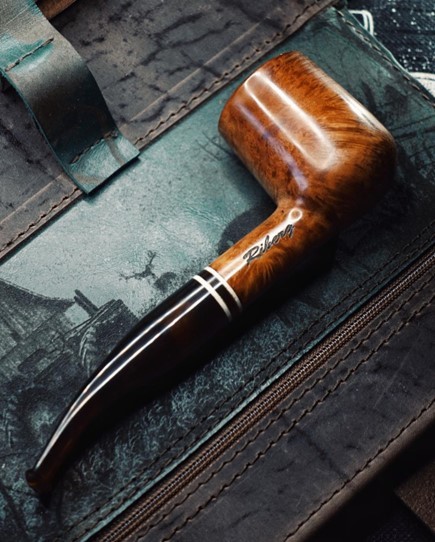 NOVA koneiden avulla valmistetaan arvostettuja piippuja ympäri maailman
Keskustelimme Viron ainoan piipuntekijän, Raimo Ribergin kanssa, jonka kauniit piiput valmistetaan meidän...Lue lisää
NOVA koneiden avulla valmistetaan arvostettuja piippuja ympäri maailman
Keskustelimme Viron ainoan piipuntekijän, Raimo Ribergin kanssa, jonka kauniit piiput valmistetaan meidän...Lue lisää -
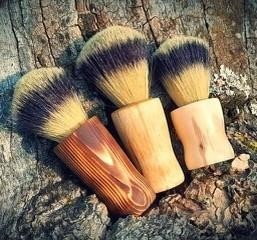 NOVA-SORVILLA VALMISTUU KAUNIITA PARRANAJOTARVIKKEITA
Näiden partasutien valmistustarina on hyvä esimerkki siitä, miten markkinaraon löytäminen ja oikeiden laitteiden...Lue lisää
NOVA-SORVILLA VALMISTUU KAUNIITA PARRANAJOTARVIKKEITA
Näiden partasutien valmistustarina on hyvä esimerkki siitä, miten markkinaraon löytäminen ja oikeiden laitteiden...Lue lisää -
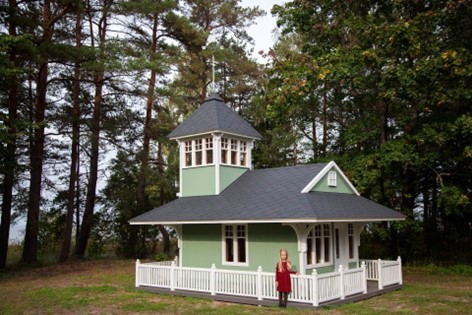 Novan laitteilla rakennettu leikkimökki on kuin villa
Huolehtiva, taitavakätinen isoisä valmisti rakkaalle lapsenlapselleen yli 800 osasta koostuvan haaveiden leikkimökin....Lue lisää
Novan laitteilla rakennettu leikkimökki on kuin villa
Huolehtiva, taitavakätinen isoisä valmisti rakkaalle lapsenlapselleen yli 800 osasta koostuvan haaveiden leikkimökin....Lue lisää -
DYI Donnin Otepään kupeessa luomat videot ovat miljoonien suosikkeja
DYI Donn eli Donald Dorch on ainutlaatuinen virolainen tubettaja, jonka päivät kuluvat etelävirolaisessa työpajassa...Lue lisää
-
Which Dust Filter Fits Your Workshop? A Comparison of Four Solutions
Which Dust Filter Fits Your Workshop? A Comparison of Four Solutions Dust generated in woodworking is more than just...Lue lisää
Leave a comment